Deck Construction and Repair in Connecticut
WZ Carpentry builds, repairs, restores, and replaces decks on residential properties in Connecticut. The work starts at the footings and framing, not at the surface boards. Wilmer Zumba has spent 22 years in the trade.
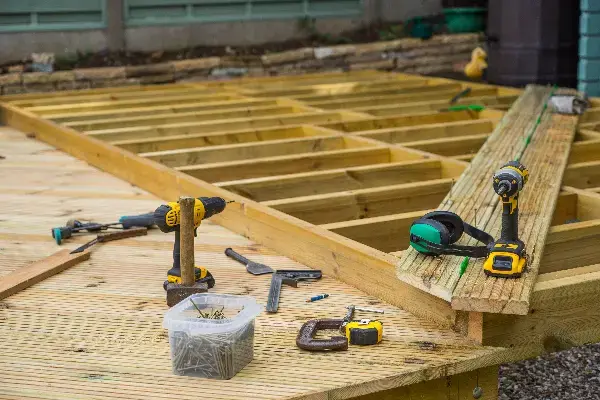
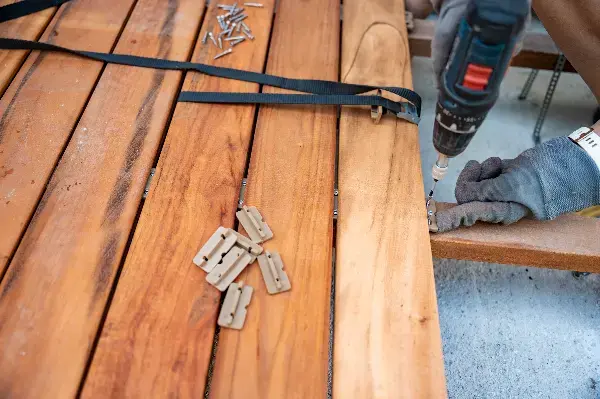
What Deck Services Include in Connecticut
Most deck calls come after something moved. A railing that gives. A stair tread that flexes. A board that stayed wet all spring. WZ Carpentry checks the framing and the footings before pricing anything. The surface is the last thing to fail and the first thing people notice.
Deck Subservices in Connecticut
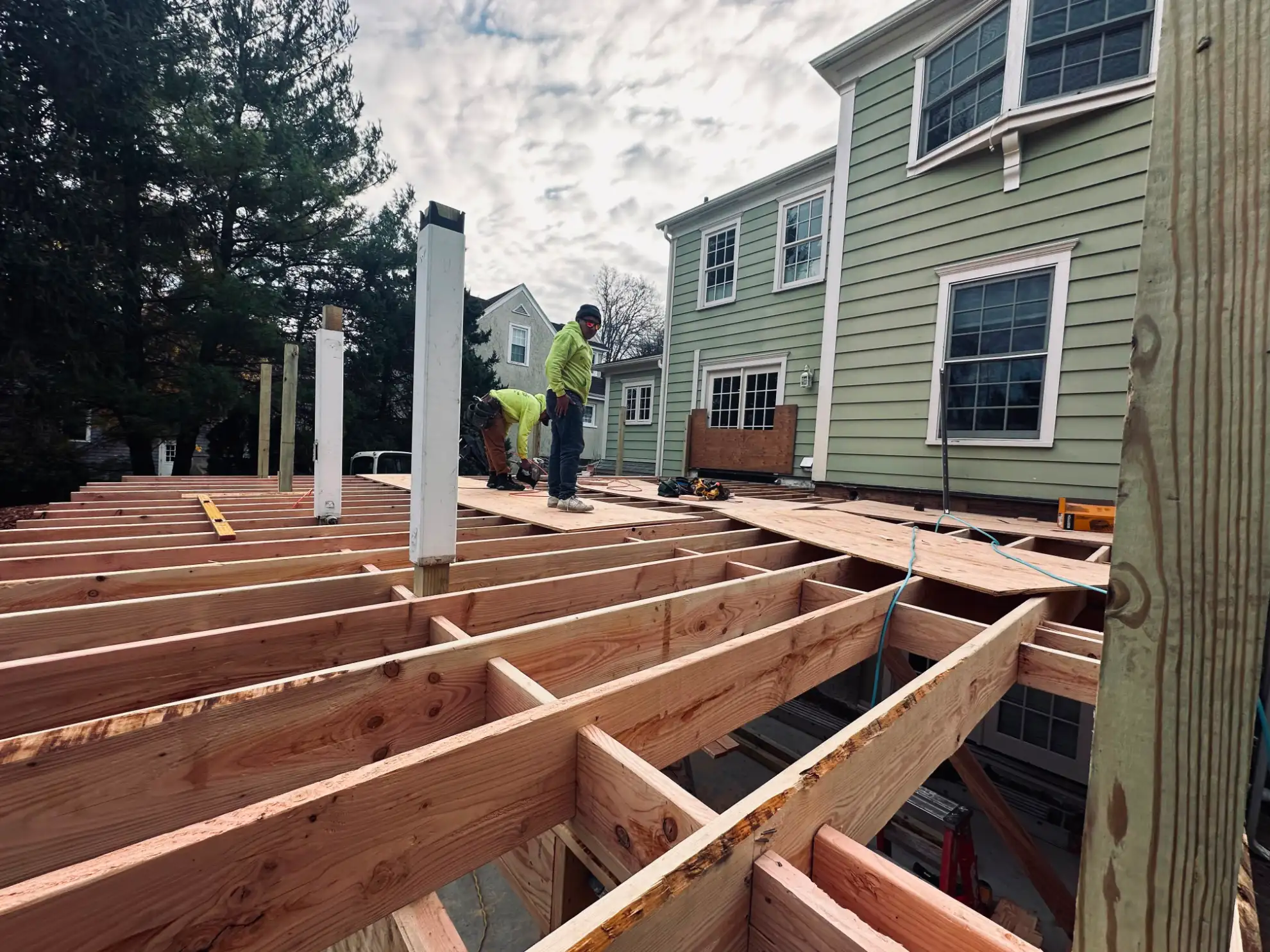
Deck construction covers an entirely new structure built from the ground up. Footings, posts, beams, and joists are laid out to carry the load and the span. The framing under a deck decides how long it lasts, long after the surface boards have been chosen.
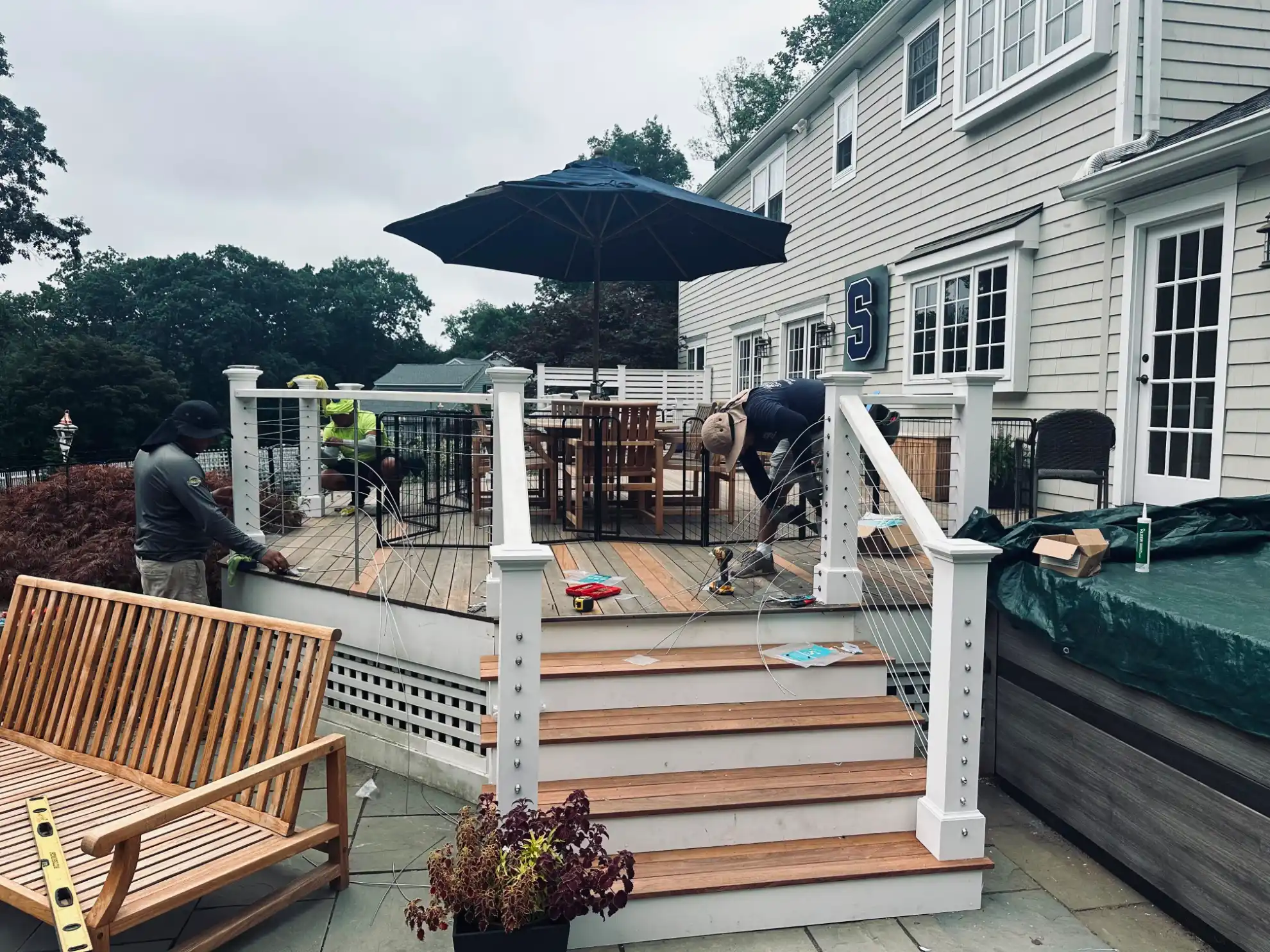
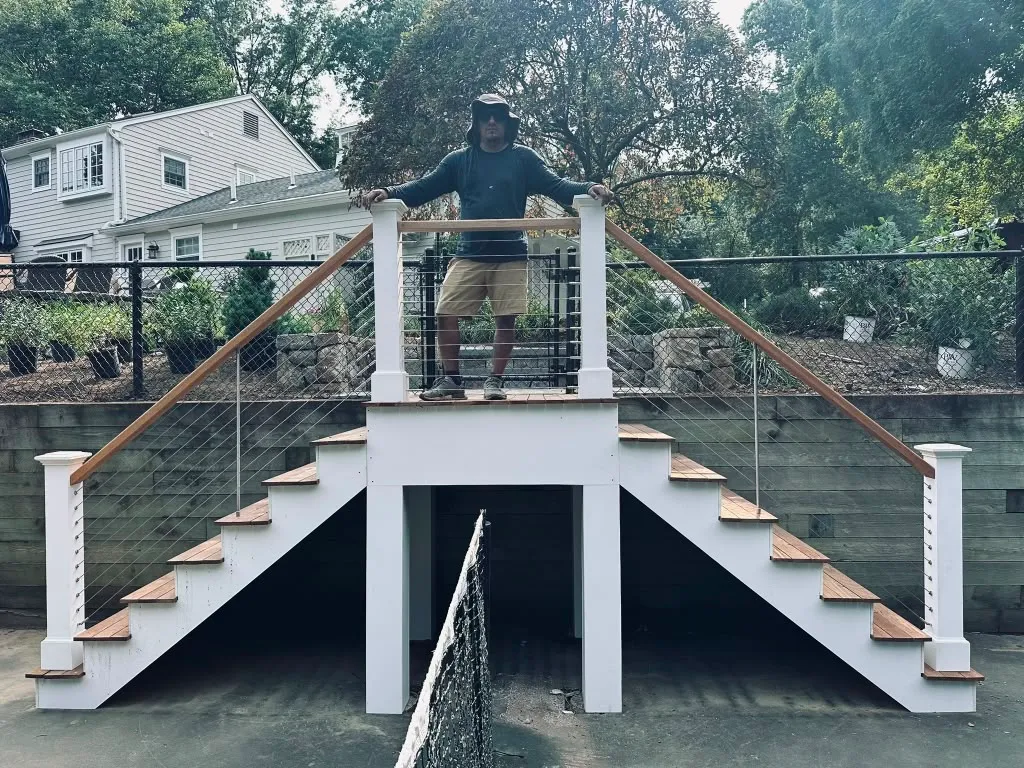
Deck installation covers the surface and everything above the frame. Decking boards, railings, balusters, stairs, and skirting are set, fastened, and squared to the structure below. Board spacing matters in Connecticut, where trapped water and frozen debris quickly shorten the life of a deck surface.
Deck repair replaces the parts that failed without rebuilding the whole structure. Split boards, loose railings, rusted fasteners, and soft stair treads are the usual calls. Wilmer checks the posts and joists first, because a solid surface over rotted framing is still unsafe to use.
Deck replacement removes the old structure and builds a new one in its place. Replacement makes sense once the framing is compromised, since repairs stop being economical at that point. Footings are evaluated first, because sound footings can sometimes carry an entirely new deck frame.
Deck restoration brings an existing deck back rather than tearing it out. Boards are replaced selectively, fasteners are reset, railings are tightened, and the surface is prepared to be sealed. A deck that was framed well can outlive several rounds of surface boards and railings.
Signs Your Deck Needs Attention
- Railings that move when you lean any weight on them
- Boards that flex underfoot or feel soft near the edges
- Rusted or backed-out screws working their way above the surface
- Posts that show dark staining at the ground contact point
- Stairs that feel bouncy or pull away from the frame
- Standing water that never drains from between the deck boards
Why Homeowners in Connecticut Call WZ Carpentry
-
Framing Checked, Not Assumed
Posts, joists, and footings are inspected before any surface work is priced. A new deck floor over failing framing is wasted money.
-
Built by a Carpenter
A deck is framing, stairs, and railings, all of it carpentry. The same skills apply outside as they do inside the house.
-
Water Managed at Framing
Flashing at the ledger and correct spacing between boards keep water moving. Most deck failure in Connecticut starts somewhere water sat still.
How a Deck Project Works
-
Structure and Footings
Wilmer checks the ledger, footings, posts, and joists to see what can stay and what has to go.
-
Layout and Materials
You review the final deck size, the board type, the railing style, and where the stairs will land.
-
Demolition and Prep
Old boards, railings, and failed framing come out, and the site is cleared before any new work starts.
-
Frame and Fasten
Posts are set, beams and joists are hung, and the ledger is flashed against the house wall itself.
-
Surface and Railings
Decking, stairs, railings, and skirting go on last, with spacing set so water drains and debris clears out.
Recent Deck Projects in Connecticut
What Connecticut Homeowners Say
Our old deck had a railing that moved and soft boards everywhere. Wilmer checked the framing first, replaced two joists, and rebuilt the surface. It feels completely solid now. Excellent, honest work.
WZ Carpentry built our new backyard deck from the footings up. The framing is clean, the stairs are solid, and the board spacing drains perfectly after rain. Great communication and careful work.
We expected a full rebuild, but Wilmer showed us the framing was still sound. He restored the deck, replaced the worn boards, and tightened every railing. It looks new and cost less.
Deck Services by City in Connecticut
WZ Carpentry builds and repairs decks in towns on the western side of Connecticut. Select your town below to see coverage and local contact details.
In most towns in Connecticut, yes. Anything attached to the house and over a certain height needs one. The building department wants to see the framing before it's covered. Rules vary town to town, so check with yours or ask Wilmer before you plan anything.
The framing usually outlasts the surface by a wide margin. Pressure-treated joists that stay dry and ventilated can go decades. The boards on top get walked on, snowed on, salted, and cleaned. Most decks around here get resurfaced long before they ever get fully rebuilt.
It depends on what you want out of it. Pressure-treated costs less and can be repaired board by board, but it needs cleaning and sealing. Composite costs more up front and asks almost nothing after. Both sit on the same framing underneath either way.
Sometimes, and it's worth checking before assuming otherwise. Footings that are below frost line, plumb, and undamaged can carry a new frame. If they've heaved or cracked, building on them just moves the problem forward a few years. Wilmer checks each one before quoting anything.
Spring through fall is easier, but the limit is the ground, not the calendar. Footings need diggable soil, so frozen ground stops that part. Framing and surface work continue in cold weather. Scheduling early in the year usually means a shorter wait once spring comes.
Bounce usually means the joists are spanning too far or something under them has given up. It's a framing issue, not a board issue, so adding screws on top won't fix it. Wilmer looks underneath the deck first, since that's where the answer always is.
Other Services in Connecticut
Ready to Build or Repair Your Deck in Connecticut?
Tell us the approximate size and what the deck is doing now. Wilmer checks the framing and the footings before quoting a number.
Call Now