Door Installation and Replacement in Connecticut
WZ Carpentry installs and replaces doors in residential properties in Connecticut. The work covers entry doors, exterior doors, interior doors, and the jambs, thresholds, and casings around them. Wilmer Zumba has spent 22 years in the trade.
What Door Services Include in Connecticut
A door that does not close right is rarely the door. It is the frame, the hinges, or the house moving underneath both. WZ Carpentry checks the opening before quoting a new unit. A new door hung in a racked jamb will do exactly what the old one did.
Door Subservices in Connecticut
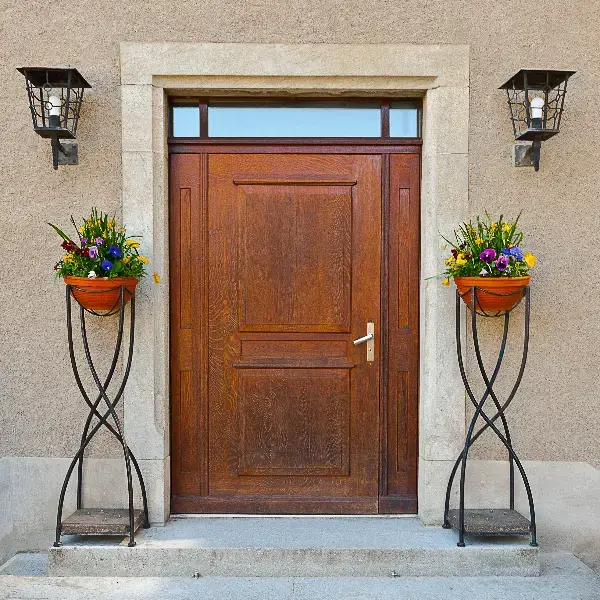
Door installation covers new openings and doors that were never there before. The rough opening is framed, plumbed, and shimmed so the slab swings freely and latches without pressure. A door hung out of plumb will drift open or bind against the jamb every time.
Door replacement swaps an existing door within the current opening. Interior doors, closet doors, and passage doors are measured, hung, and trimmed to the existing casing. Older Connecticut houses settle over time, so a new slab rarely fits an old jamb without careful adjustment on site.
Exterior door installation covers the doors that face weather. The sill pan, threshold, flashing, and jamb are set before the unit goes in. Water finds the bottom corners first. A properly installed exterior door seals against wind and driving rain without needing extra weatherstripping later.
Entry door replacement changes the front door and everything holding it. Rot in the threshold and side jambs is common, since the entry takes sun, rain, and snow year round. Curb appeal improves, and so does the seal at the bottom edge of the frame.
Signs Your Doors Need Attention
- Doors that stick in summer and swing open in winter
- Daylight visible along the edge of a closed exterior door
- Deadbolts that need lifting or pushing to line up properly
- Soft wood at the threshold or the bottom hinge jamb
- Drafts, snow, or water reaching the floor inside the entry
- Casings separated from the wall around the door frame edge
Why Homeowners in Connecticut Call WZ Carpentry
-
The Frame Gets Fixed
A racked or rotted jamb is rebuilt before the new door is hung. Otherwise the same sticking problem returns within a season.
-
Hung to Swing Right
The slab is set plumb and the hinges are mortised properly. A door should close with a fingertip, not with a shoulder.
-
Sealed at the Threshold
Water and cold air enter at the bottom corners first. The sill pan and threshold are addressed as part of the install.
How a Door Project Works
-
Opening and Swing
Wilmer checks the jamb condition, the swing direction, and whether the opening still reads plumb and square today.
-
Door and Hardware
You choose the slab, the finish, and the lockset, including whether the existing hardware can be reused here.
-
Jamb and Threshold
Damaged framing, rotted thresholds, and failed sill pans are rebuilt before anything new is set into the opening.
-
Hang and Adjust
The door is shimmed, hung, and adjusted until the reveal is even and the latch catches without force.
-
Trim and Weatherseal
Interior casings are installed, gaps are sealed, and exterior doors receive weatherstripping at the jambs and the head.
Recent Door Projects in Connecticut
What Connecticut Homeowners Say
Wilmer replaced our front entry door and found rot in the threshold. He rebuilt the jamb first, hung the new door perfectly, and the drafts at the bottom edge are finally gone.
Three interior doors in our older house never closed right. WZ Carpentry squared the frames, hung new slabs, and matched the original casing profile. Every door now closes with one finger. Excellent.
Our back door leaked water every time it rained. Wilmer installed a new exterior door with a proper sill pan and threshold. It has stayed completely dry since. Honest, careful, and professional.
Door Services by City in Connecticut
WZ Carpentry installs and replaces doors in towns on the western side of Connecticut. Select your town below to see coverage and local contact details.
Wood swells with humidity, so a door that fit in February binds in July. If it's only seasonal, planing the edge slightly usually solves it. If it sticks year round, the jamb has probably shifted and the frame is the actual problem, not the door.
Often yes, if the jamb is solid and still plumb. A slab swap is cheaper when the frame is fine. Once there's rot at the threshold or the hinge side has pulled loose, that changes. Replacing the whole prehung unit costs less in the end.
Both, and the choice depends on the frame. A prehung unit comes with its own jamb, which is the right call when the old frame is shot. A slab reuses the existing jamb, so it only works if that jamb is still straight and plumb.
Usually. Panel count, edge profile, and height are the three things that give a mismatch away. If the original doors are old enough, nothing on the shelf will match. The door can be built to the same profile instead. That last option costs more.
A few hours, not a day. The old unit comes out and the new one goes in the same afternoon. The house is never left open overnight, either. Threshold rot adds time to that, which is why Wilmer checks it before the swap gets scheduled.
It depends on where it goes. On a bedroom or bathroom, solid core cuts noise noticeably and people feel the difference every day. On a closet or pantry, hollow core is fine. Weight matters too, since solid doors need stronger hinges and a solid jamb.
Other Services in Connecticut
Ready to Replace Your Doors in Connecticut?
Tell us which doors are giving trouble and what is happening at each one. Wilmer checks the frames before quoting a new unit.
Call Now