If you've priced out a door replacement, you've run into these two words and probably gotten a different recommendation from each person you asked. The prehung door vs slab door question isn't a matter of preference. It's determined almost entirely by the condition of the frame that's already in your wall. A slab is just the door. It reuses your existing jamb, hinges location, and casing, which makes it cheaper and faster and completely dependent on that jamb being straight. A prehung unit is the door already hung in a new frame, which means the old frame comes out and the opening gets rebuilt around the new one. More work, more money, and the only real option when the existing jamb has failed. The good news is you can check this yourself in about five minutes with nothing more than your eyes and a level. This article covers how, and what the answer means for cost.
What the Two Options Actually Include
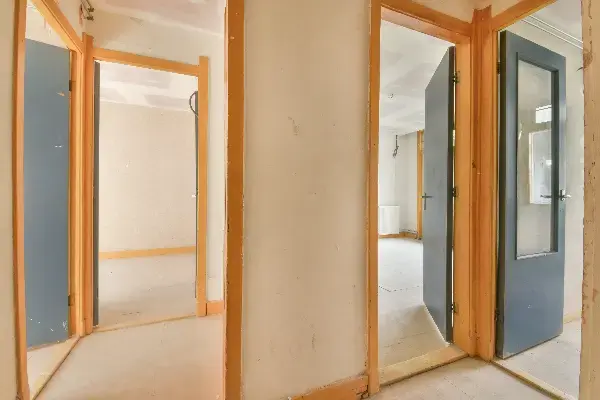
A slab is a bare door. No frame, no hinges installed, and usually no hole bored for the lockset unless you order it that way. It gets fitted to your existing opening, which means planing the edges to match, mortising for the hinges in the existing locations, and boring for whatever hardware you're using. The labor is real even though the material is cheaper. A prehung unit arrives as a door already mounted in a complete jamb with the hinges set and the stop installed. It goes into the rough opening as an assembly, gets shimmed plumb, fastened, and then trimmed out on both sides. Two different jobs with two different failure modes.
How to Check If Your Jamb Is Still Good
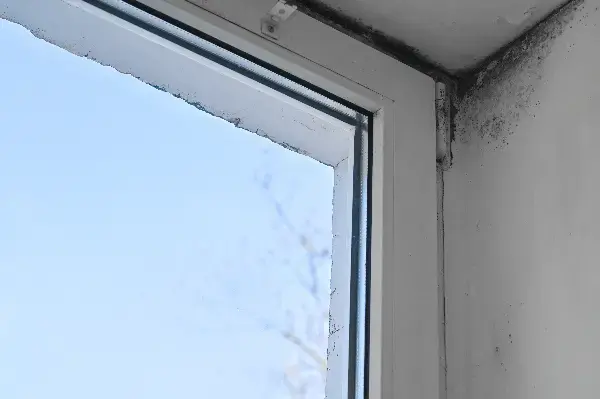
Close the door and look at the gap around it, which is called the reveal. It should be even, roughly the thickness of a nickel, on the top and both sides. If it's wide at the top on one side and tight at the bottom, the frame is racked. Next, press into the jamb at the bottom of the hinge side and at the threshold. Soft wood there means the frame has rot and a slab won't help. Last, put a level on the hinge-side jamb. Out of plumb by a little is workable. Out of plumb by a lot means the opening has moved and the frame needs replacing.
Cost Difference and Where It Comes From
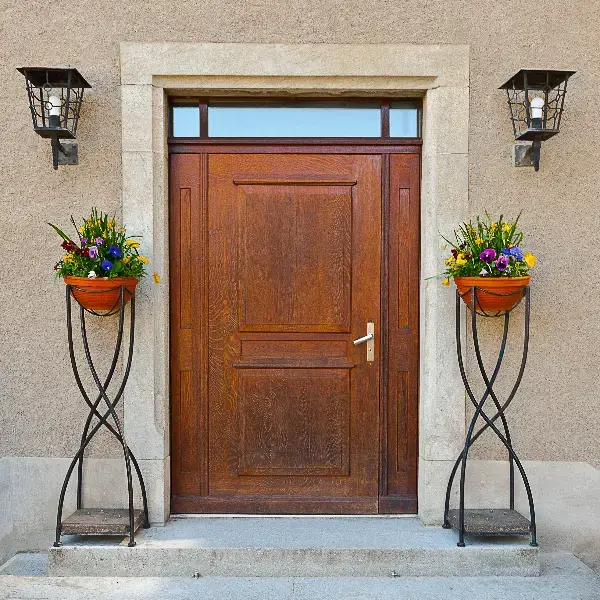
A slab costs less as material and usually less installed, assuming the jamb is genuinely fine. The savings come from not rebuilding the opening or re-trimming both sides. A prehung unit costs more in material and considerably more in labor, because the old frame comes out, the rough opening gets checked and adjusted, the new unit gets shimmed and fastened, and then interior and exterior casings go back on. That trim work is a real portion of the price and it's frequently left out of phone quotes. If a prehung quote seems low, the question to ask is whether casing on both sides is included.
Which One Fits an Older Connecticut House
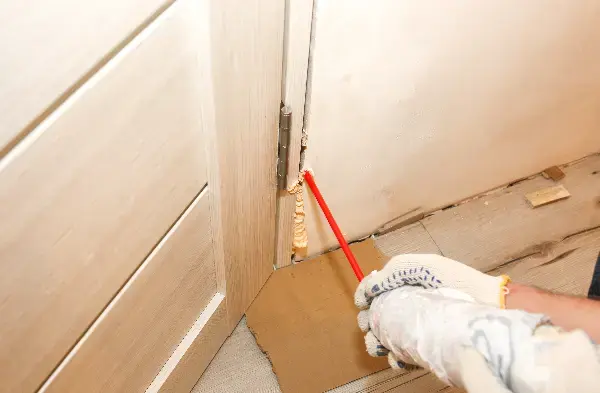
Older houses complicate this, because they've settled. An 1890s opening is rarely plumb and often isn't a standard size, which means a stock prehung unit may not fit the rough opening without framing work. It also means the existing jamb, even if it's out of plumb, might be the thing holding a beautiful original casing that you don't want to disturb. In those cases a slab fitted carefully to the existing frame is often the better answer, even when the frame isn't perfect. The reverse is true when the jamb has rot at the threshold. Then it comes out regardless of what's attached to it.