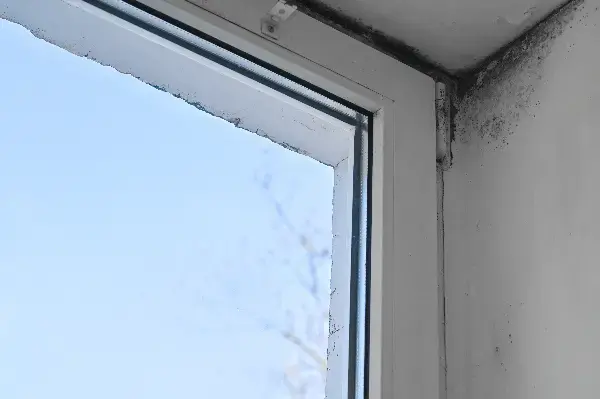
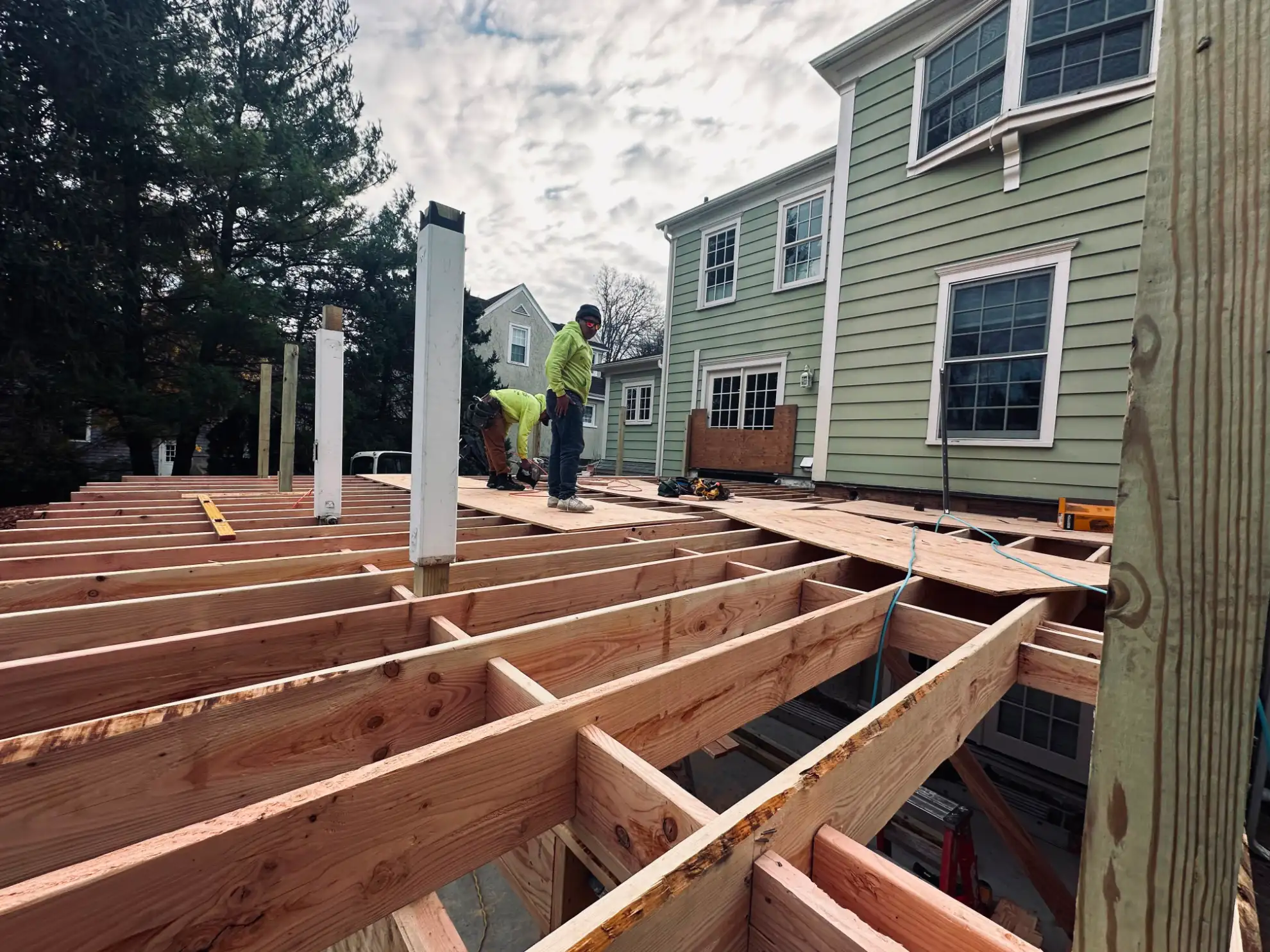
You had it fixed. The carpenter cut out the soft section, put in new wood, and it looked right for a while. Two winters later the paint is bubbling in the exact same place and the board feels spongy again. That's frustrating, and it's also extremely common. Wood rot repair in Connecticut fails on repeat for one reason almost every time: the repair addressed the wood and not the water. Rot is not a disease that lives in a board. It's what happens when wood stays wet long enough for fungus to take hold. Replace the board and leave the water path alone, and the new board starts the same clock the old one did. This article walks through where the water usually gets in on Connecticut houses, why patching and repainting buys so little time, and what a repair has to include if you want it to hold. None of it is complicated. It's just frequently skipped.
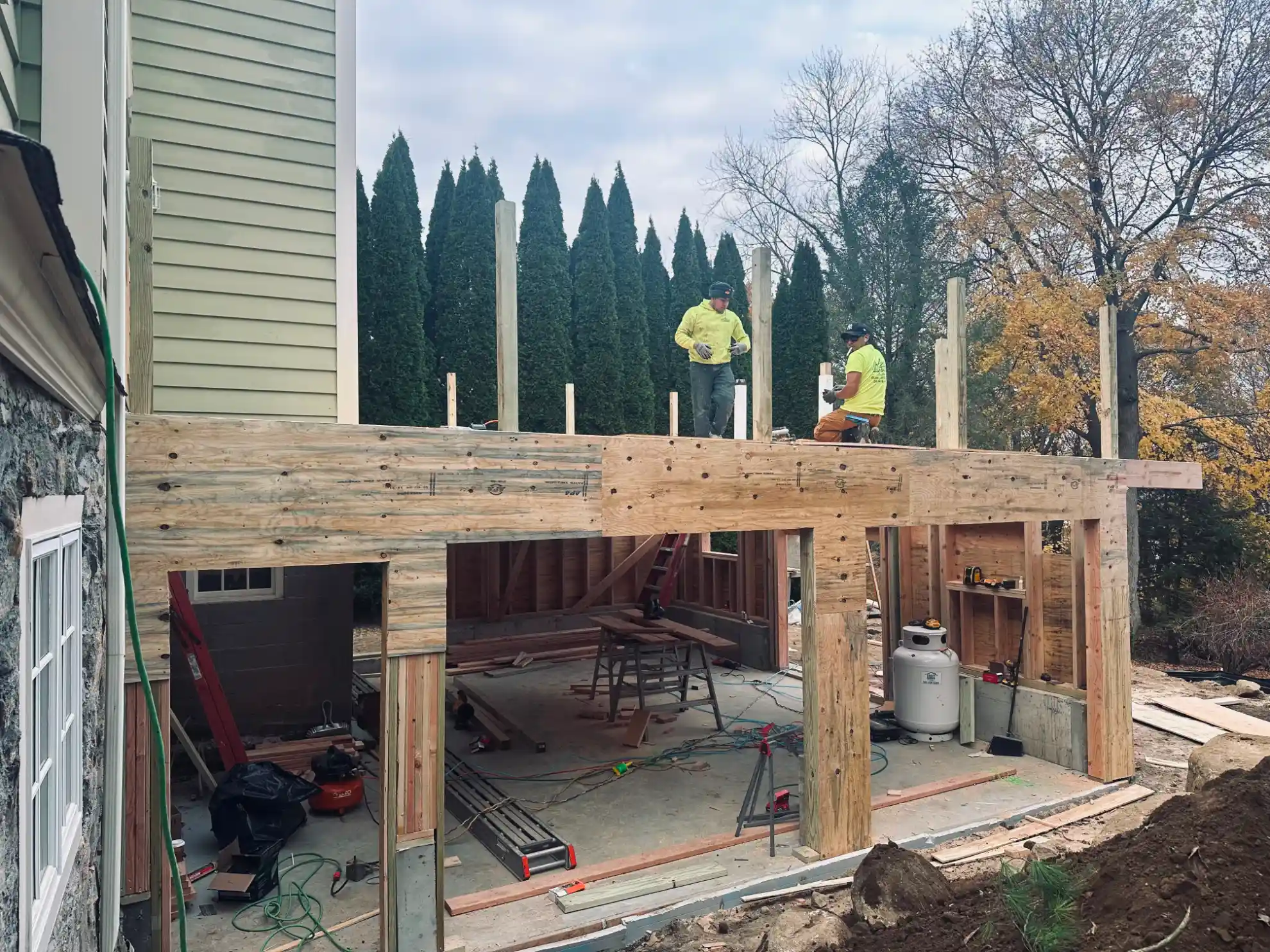
Rot Isn't a Wood Problem, It's a Water Problem
Wood rot needs moisture, and it needs that moisture to stay. Wood that gets soaked in a storm and dries out by Thursday is fine. Wood that sits at twenty percent moisture content for weeks at a time is food. That distinction matters because it tells you where to look. If a board rotted, something is holding water against it. A joint that never sheds, a flashing detail that sends water behind the trim, a sill with no pitch, a downspout that dumps onto a porch column. The board is the symptom. The water path is the cause. Any repair that replaces the symptom and leaves the cause in place is a temporary repair, no matter how good the carpentry is.
Where Connecticut Homes Let Water Into Wood
A few spots come up over and over. The joint above a window or door, where flashing was skipped or installed backward, sends water directly behind the casing. Fascia and soffit corners hold water at the seam, especially with a gutter that overflows. Porch columns wick moisture upward through the end grain if they sit directly on a deck without a standoff. Deck ledgers fail where they meet the house, which is both a rot problem and a safety problem. Near the shoreline, salt in the air keeps everything damp longer between dry stretches. Inland, shaded and wooded lots do the same thing for a different reason. In both cases the wood simply never gets a chance to dry all the way out.

Why Patching and Painting Doesn't Hold
Filler and paint are the two most common temporary fixes, and they both work by hiding the problem. Filler bonds to the surface of wood that has already lost its structure, so it moves when the wood moves and cracks within a season or two. Paint seals moisture in as effectively as it seals it out. A rotted board that gets painted stays wet underneath and keeps deteriorating quietly while looking acceptable from the ground. The other version of this is cutting out only the visibly soft part. Rot travels along the grain further than it shows on the surface, so leaving eight inches of partially compromised wood in place means the repair starts failing from the inside on day one.
What a Real Repair Looks Like
Three things have to happen. The failed material comes out entirely, cut back to wood that's genuinely solid rather than to where the soft part visibly ends. The water path gets corrected, which usually means flashing, pitch, or a gap that lets the joint drain instead of holding. And the new material goes in with its end grain sealed and its joints detailed to shed rather than collect. That third part is where most repairs quietly fail. A board cut square and butted tight against another board makes a seam that holds water by design. Detailed properly, the same two boards shed it. That difference is why one repair lasts fifteen years and another one lasts three.